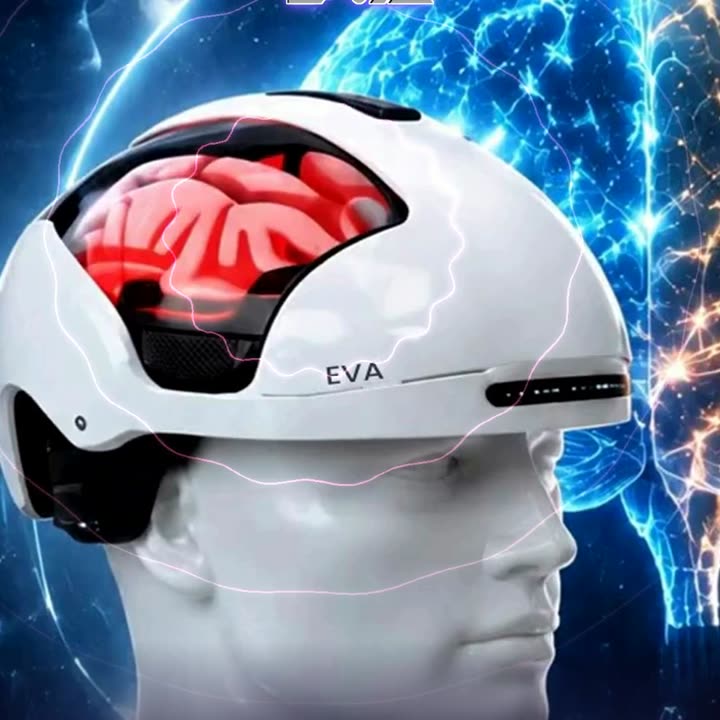
Clinical EEG helmet
EVA
A 32-channel EEG helmet that covers the whole cortex, with pattern analysis in development.
NeuroSync Technologies is developing wearable EEG devices and AI software designed to record the brain's electrical activity and turn it into charts a clinician can read and talk through with the patient. They are being developed with anxiety, depression, ADHD, Alzheimer's, Parkinson's and other neurological and mental health conditions in mind.
All of our devices are being built on one pipeline. The hardware records the signal, our software looks for patterns in it, and the result is a visual summary to review instead of a wall of raw waveforms.
Dry and cushion electrodes record EEG, with HRV and near-infrared sensing on VRX-3.
Filters strip out noise and movement artifacts so the brain's own activity stays in view.
Activity is mapped by brain region and frequency band as it is recorded.
Our models are designed to find patterns in the cleaned-up signal and flag them for review.
Near term
Each one is designed to record EEG in a different setting: a clinic, a guided VR session, and everyday life.
A 32-channel EEG helmet that covers the whole cortex, with pattern analysis in development.
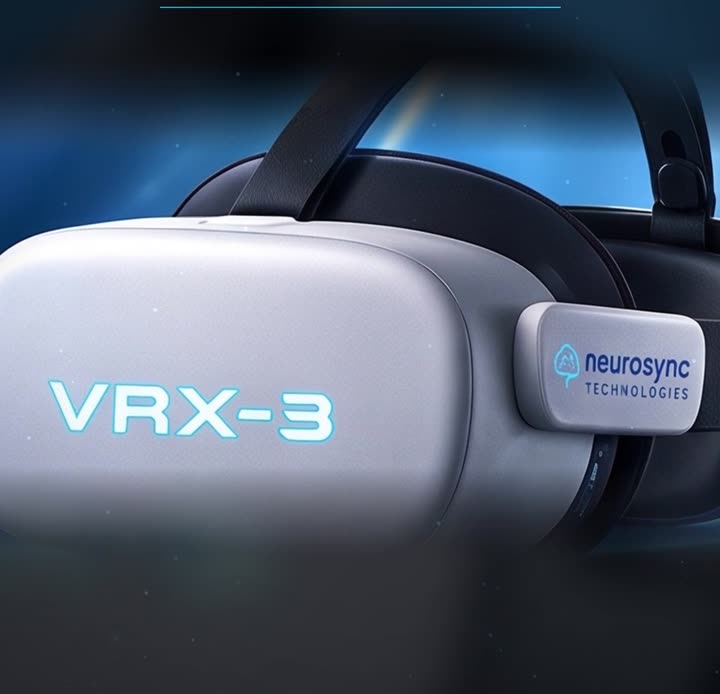
A VR headset being developed to adapt guided sessions to the wearer's brain and heart signals.
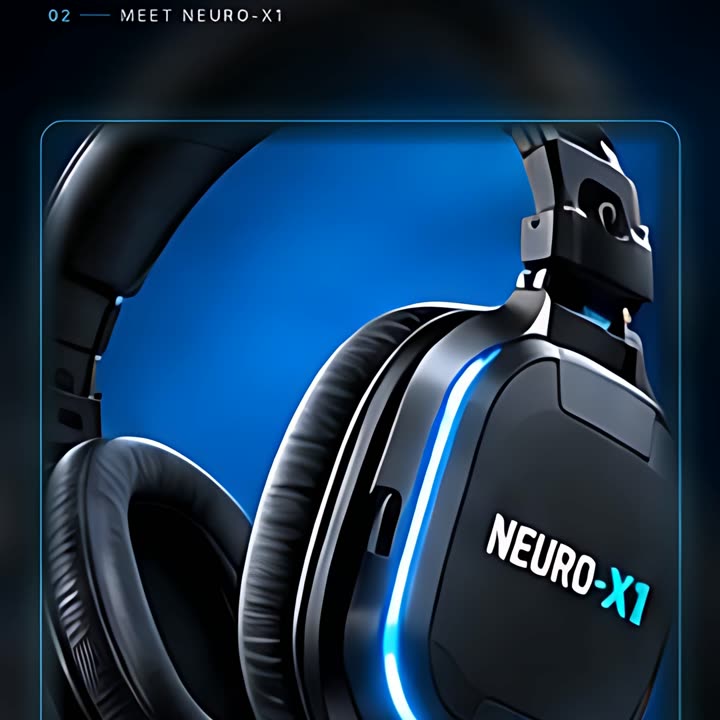
EEG sensors built into a pair of headphones, reading the frontal and temporal regions.
EVA is being developed to record every major brainwave band across the cortex and show them in a live spectral view, with the aim of making changes in those rhythms easier to spot. It is designed to show recordings next to brain imaging in the same view and to flag patterns for review.
VRX-3 is being developed to track EEG and heart-rate variability during guided VR sessions. What the wearer sees is designed to change based on those readings, so the session adjusts as it goes.
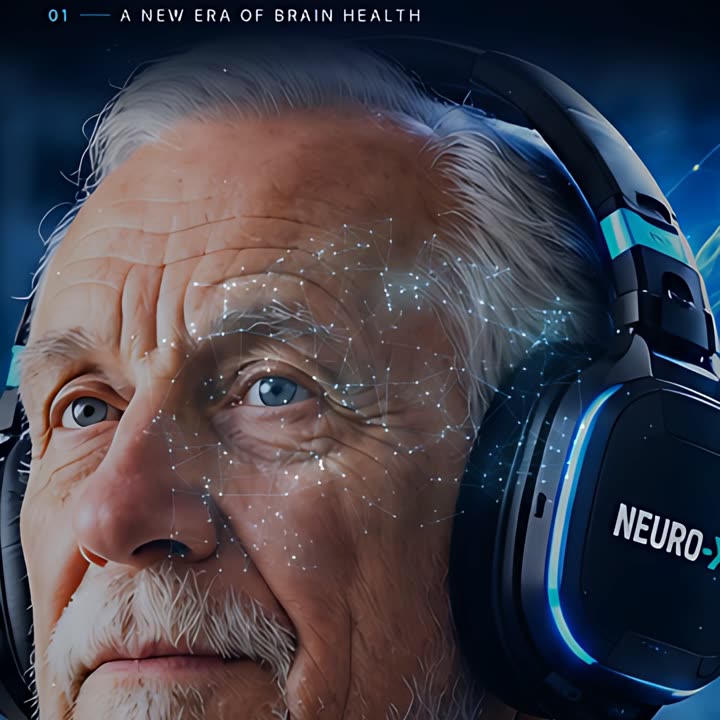
NEURO-X1 is being developed to put EEG sensors into a pair of headphones. It is designed to read the frontal and temporal regions and turn the results into trend charts the wearer can go through with their clinician or researcher.
Under development
Alongside the wearables, NeuroSync runs two early-stage research programs. Both programs are under development.
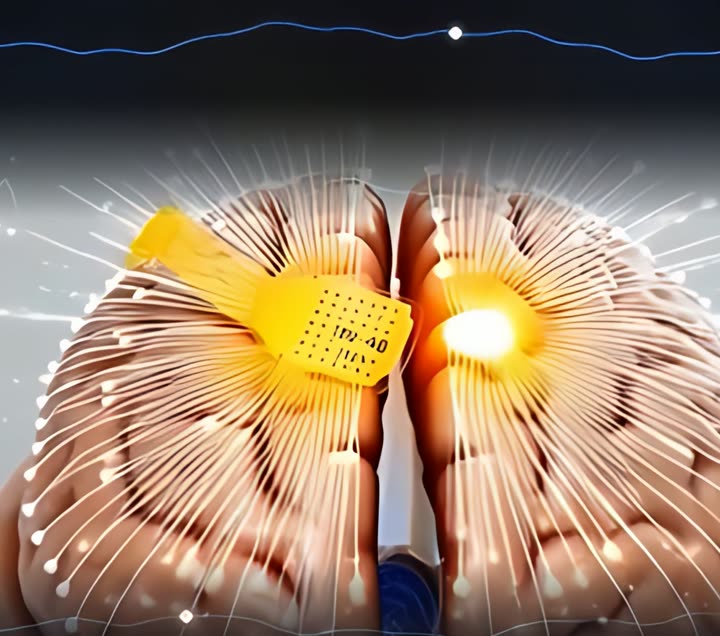
A thin, flexible electrode array designed to give researchers a far finer map of brain activity than scalp EEG can provide. Its design goals are to:

When people learn or move together, their brain rhythms can line up. We are studying whether this could aid rehabilitation in four steps:
Our board and advisors bring experience from clinical medicine, research, education and healthcare leadership.
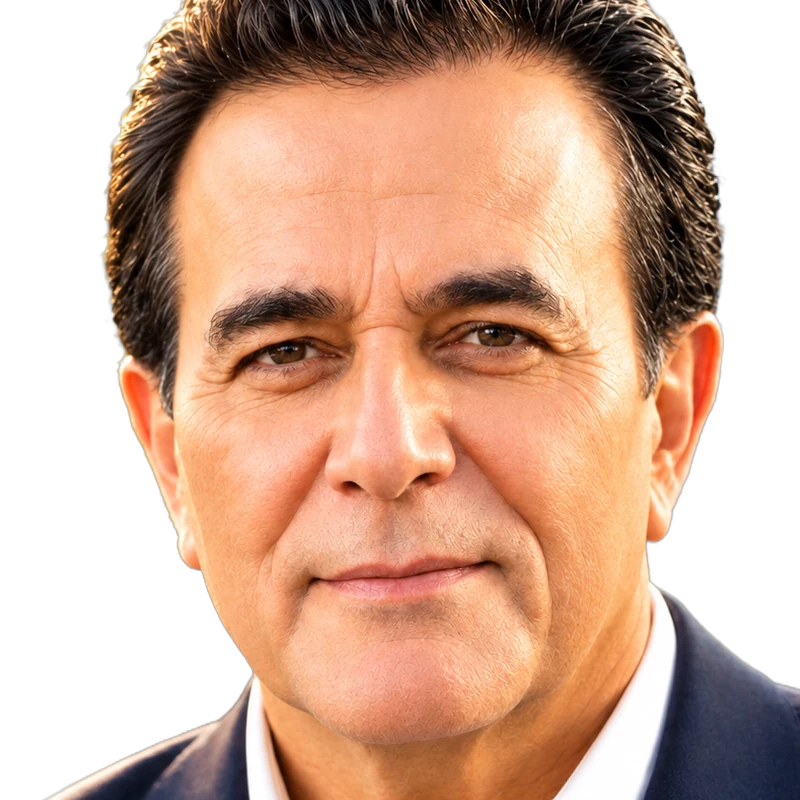
Healthcare executive with 25+ years in research and product development

Board-certified internist

Cardiovascular specialist

Board-certified neurosurgeon

Psychosocial educator at George Washington University

CEO, All Wellness Alliance
A short video on each wearable and research program. Pick one below to play it with sound.
Hospitals, research groups, distributors and investors: tell us what you're working on and we'll set up a call to walk you through the products or the research.